Balti Traditional Wedding: Beautiful Customs & Living Heritage of the Karakoram Valley
Explore the Balti traditional wedding — from the Nating cap and Tumar headdress to money garlands and late-night music in Skardu and Khaplu.
What Makes Balti Wedding Traditions Unique
Balti wedding traditions stand out because they weave together Tibetan, Ladakhi, and Kargili influences into something uniquely their own. Unlike many South Asian weddings that centre on a single ceremony day, a Balti wedding often unfolds across several days of preparation, music, and community involvement.
The region's geographic isolation in the high valleys of Gilgit-Baltistan helped preserve customs that have faded elsewhere. Every element — from clothing to food — carries meaning passed down through generations.
Balti Traditional Wedding: Beautiful Customs You Should Know
Balti traditional weddings are not merely social ceremonies—they are a vibrant expression of centuries-old Himalayan culture, deeply rooted in community, music, spirituality, and identity. In the breathtaking valleys of Baltistan, particularly in regions like Khaplu, Shigar, and Skardu, weddings unfold as grand cultural festivals that bring together families, neighbours, and entire communities.
A Celebration Beyond Union
In Baltistan, marriage is more than the union of two individuals; it is a sacred bond that connects families and strengthens social ties. The preparations often begin weeks in advance, filled with rituals, gatherings, and collective participation. Every step reflects respect for tradition, modesty, and harmony.
Traditional Attire and Cultural Identity
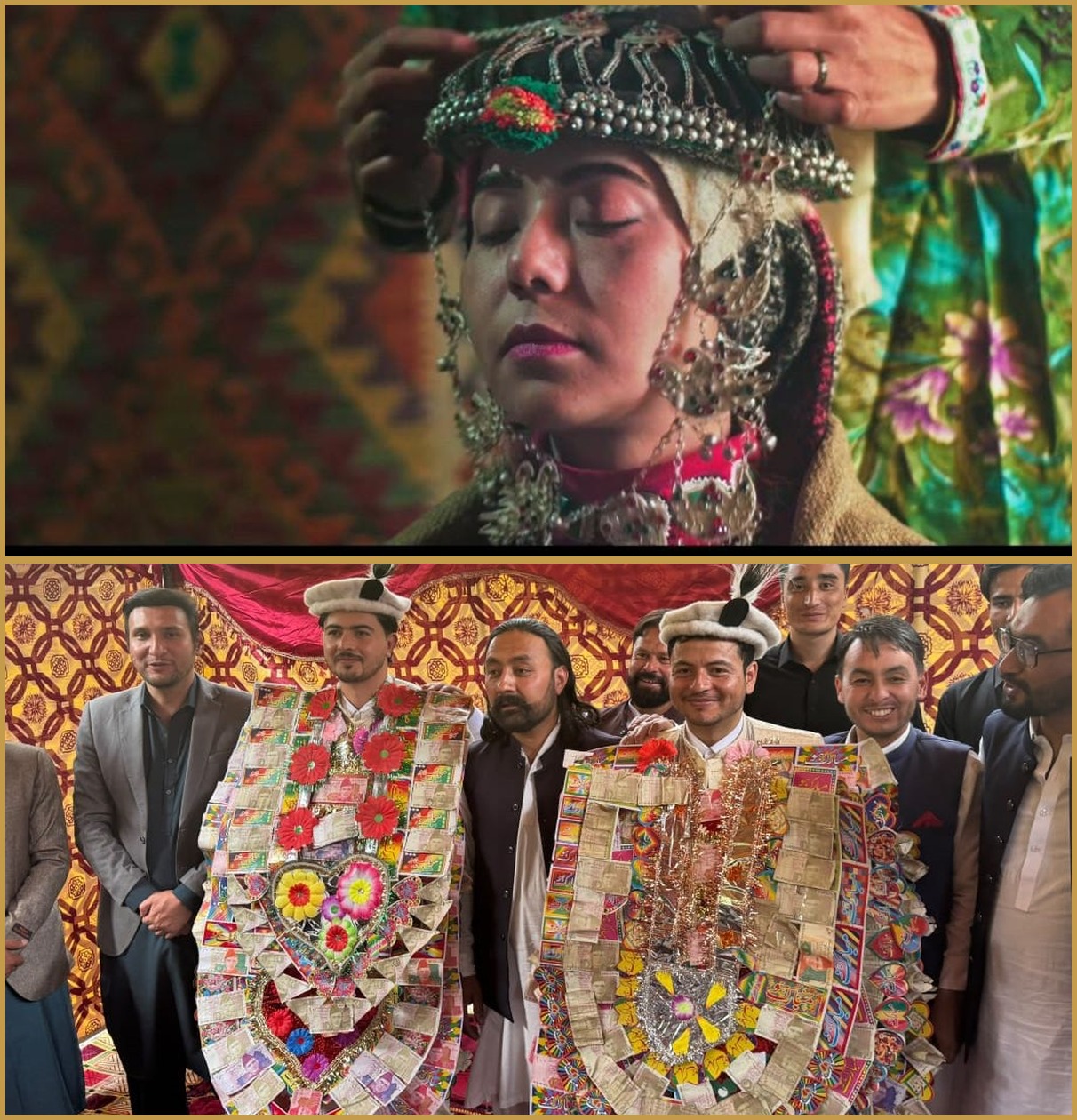
One of the most striking aspects of a Balti wedding is the traditional attire. The bride often wears beautifully embroidered dresses adorned with jewellery that reflects heritage and elegance. The groom, on the other hand, dons traditional clothing paired with the iconic Balti cap (Nating)—a symbol of pride and identity.
These garments are not just decorative; they represent generations of cultural continuity, often passed down or inspired by ancestral designs.
Music and Dance: The Soul of the Wedding
Music is the heartbeat of a Balti wedding. Traditional musicians, known as “Mon” play a vital role in creating the festive atmosphere. Using local instruments, they perform unique melodies that echo through the valleys.
A special highlight is Mindoq Lhtunmo (Flower Music)—a traditional musical expression that carries influences from Tibetan and Ladakhi culture. The rhythms are often accompanied by graceful group dances performed by men and women, symbolising unity, joy, and celebration.
Unlike modern DJ-based weddings, Balti musical nights are deeply cultural, preserving authentic sounds and movements that have existed for centuries.
Traditional Foods: A Taste of Heritage
Food is another essential element that defines Balti weddings. Guests are served a variety of traditional dishes prepared with care and cultural significance. Some of the most popular items include:
- Prapu – A traditional Balti pasta-like dish
- Biying Gues – A local delicacy often served during celebrations
- Maar Zaan – A rich and hearty dish made with local ingredients
Meals are often served in large communal settings, reinforcing the spirit of sharing and togetherness.
Rituals and Community Participation
Balti weddings are deeply communal. From preparations to final ceremonies, neighbours and relatives actively participate. Rituals may include blessings, gift exchanges, and symbolic acts that reflect respect for elders and spiritual values.
Unlike fast-paced urban weddings, these ceremonies emphasise patience, connection, and meaning.
Preserving Tradition in a Modern World
In recent years, modernisation has influenced wedding practices across Pakistan. However, in Baltistan, there is a strong movement to preserve traditional wedding culture. Families are increasingly choosing to celebrate weddings in authentic styles, avoiding excessive commercialisation.
This revival is not just about nostalgia—it is about protecting identity and passing cultural values to future generations.
A Cultural Treasure Worth Celebrating
Balti traditional weddings stand as a testament to the region’s rich cultural heritage. They offer a unique blend of simplicity, beauty, and depth that is rarely found in modern celebrations.
For visitors and younger generations alike, experiencing a Balti wedding is like stepping into a living museum—where every song, dress, and ritual tells a story of the mountains and the people who call them home.
Watch video on Shyok Times YouTube channel: https://youtu.be/6IwVakcU50w